 Local · LA Today Wire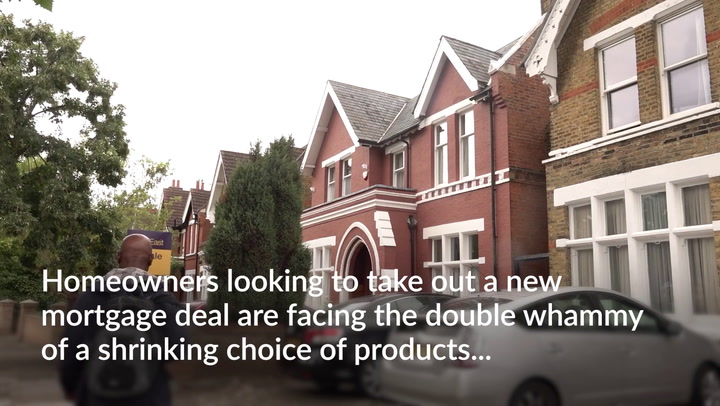
I t’s not what anyone wants to hear, but here it is: mortgage rates are about to soar. That is the inevitable consequence of what increasingly looks like a low-level but never-ending war between the US and Iran, turmoil on the City’s bond markets, and mounting fears in parts of the City that base rates are set to rise – and soon. The prices of two- and five-year fixed-rate deals, which most UK borrowers go for, are set not by where rates are now but where the City expects them to go, expressed through the interest rate swaps market which has been heading north at a rapid rate.
The bother on the bond markets, with a mass sell-off resulting in higher yields or interest rates, has been felt particularly hard by the UK. This has been partly caused by fears about what Andy Burnham might do. He sought to calm the choppy waters in the House of Commons by saying his government would be “grounded in fiscal responsibility,” but his previous comments have left markets distrustful.
They don’t trust the Chancellor yet, which is why I previously argued for retaining Rachel Reeves. Taxpayers will pay more through higher government borrowing costs, while borrowers face pricier home loans. Credit card and personal loan rates are also set to rise.
A quick look at Moneyfacts shows today’s average two-year fixed rate deal at 5.59%, the five-year at 5.63%, compared to 4.85% and 4.94% in February. This compares with the Truss-induced peak rates of 6.65% and 6.51% for two- and five-year deals, respectively. Hundreds of deals were withdrawn after the Truss market shock, as they were in 2023, when the two-year peaked at 6.86%.
A 0.25% rise on a £250,000 mortgage would add around £38 to monthly repayments, or £456 per year, based on a rate rising from 5.59% to 5.84%. Rachel Springall, Finance Expert at Moneyfacts, advises borrowers to seek advice and secure new deals quickly. Lenders use swap rates to reprice mortgages, so those hoping for cheaper rates may face hikes.
Comparisons with Europe show that similar products there are considerably cheaper due to lower interest rates. Base rates in the UK stand at 3.75%, while in the Eurozone they are 2.4%. Canada’s rate is 2.2%, Japan’s is 1%, and America’s is 3.63%.
All eyes will be on the Bank of England’s next meeting, where a hold is widely expected. If the vote shifts to 5-4, markets will react. Any indication that central bankers are worried about inflation could lead to higher mortgage rates.
Brexit has increased UK business costs and contributed to inflation, making higher rates a consequence.
Source: The Independent